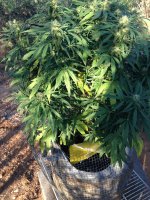
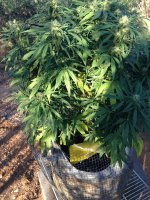
I don't know the scientific name other than F#**!@*^%$ and m**#@!!&(^%$rs. I grow outdoors only. I have come to find out that the root aphids that infest my plants are endemic to this area. Their host main host plant is called brittle bush. This is a special desert root aphid , of course. Closely related to rice root aphid and hemp root aphid. The all do the same thing. Suck on the roots and spread diseases. It is usually not the aphids that kill the plant but the bacteria and diseases that infect the damaged roots. These aphids secrete a fluid as they suck on the root. This fluid keeps the roots from healing and they are then susceptible to disease and bacteria and mold.
Signs you have root aphids. 1. yellow tiger stripe leaves. 2. plant looks like needs water but does not 3. will lose all smell. 4. bugs crawling in or on soil or sides of pot at this point sorry too late, game over.
Now this took me several years to figure out. My bugs fly off the brittle bush flowers in the spring looking for a summer home. They fly to anything green and are atracted to soils with high N content. They fly into the trees and turn to what is called first instar. They then drop out of the trees all summer and into the soil where they turn to the soil dwelling pest that I fight. They also can crawl in drain water from container to container or plant to plant in rain water on ground.
Next year I will plant after they are done flying and I will put containers on steel tables with tangle foot on legs of tables. Nothing will get near any trees. When legal comes (in 2 months I pray) I will probably cut some trees down so I can stay completely away. For years I have been using the trees for shade and concealment and bugs have been dropping into everything. I will build a shade structure and work from there.
How to kill root aphids. You can't kill them all. If completely infested nothing can be done.
Root aphids do not require 2 to make more aphids. One aphid can reproduce on it's own. One can become 100,000 in a matter of weeks and a million in a couple days more. This is one reason they are so hard to kill. They can reproduce themselves so fast that while biocide or other stuff is killing them they are reproducing more. If they are poisoned and don't die on contact they reproduce resistant young.
If you suspect root aphids and are not infested yet this is what I found will work First apply hydrogen peroxide to soil. This gets them lose from the roots and gets em moving around. Also kills root diseases. Then apply a product called Azera this is azadacterin and pyretheron very, very strong stuff be very careful too much will kill the plant. If the bugs have done a lot of damage to roots then the Azera will damage plant more or kill it. No damage from bugs then little affect on plant with Azera. Then follow up with bio insecticide PFR-97. There are several of these available but this one seems to actually work although I am still not sure. Couple more weeks and I will know for sure.The Azera and the bio insecticides are very, very expensive. I spent about $3,000 last season and was only able to kill some plants. Huge learning curve with these bugs. Best thing is to not get them in the first place. I will plant in June and stay away from the trees next year and I should be successful. I have no other bug problem in this desert except grasshopper every 7 years or so.
From what I have learned most growers get root aphid in soil they bring in. This was my first thought. This year I finally spotted flyers and traced them to brittle bush. If you don't have the brittle bush or similar host (in the sunflower family) in your area. Root aphids are most likely being brought in on soil or amendments. I hear they are worst in soils from west coast.
I hope this helps someone. I am sure there is a lot more to write about that I forgot. Time to burn one and will post more later.