
GrowWeedEasy.com
You are using an out of date browser. It may not display this or other websites correctly.
You should upgrade or use an alternative browser.
You should upgrade or use an alternative browser.
Electric bill
- Thread starter Inuart88
- Start date


Inuart88
Banned
Iam not sure of the specifics the only way to check for light saturation would be to have a Par meter since getting the ppf/ppfd would require way more equipment. Then you look at the footprint in your 10x10 space but one thing to remember just because you can see light in the corners LUMENS. Which is the measurement we see light in which is brightness. Which has been found to really have no correlation between plants. Just cuz you see light at the edges does not mean the density of that light is good. center under light may be 1400ppf but in a 4x4 box just for example 2ft from center may be 100ppf which is way under what a plant requires to grow but to the human eye the light looks at bright in the corner as it does in the middle. and 1000w per 5x5 box is right i would say so 2000w is more than adequate + if you add in reflecting walls you can increase PPF/PPFD by up to 20%. But HID lights will not be more efficent than LEDS because with an led u are getting between 1.5 umol - 2.5umol per watt of power and HIDS i believe fall around 1.6 or 1.7umol per watt. Also with the LED you can control the Spectrum of light to give the plant only the light it uses but with the HIDS you cannot control the spectrum and its giving off spectrum's the plants don't use and is missing other spectrum s like IR or UV.
Sorry for long post was trying to give you an informed answer!
Sorry for long post was trying to give you an informed answer!

Jibblerjoe
New member
Look at cob led and quantum boards
Jibblerjoe
New member
Rapid led for diy hlg lighting for quantum boards. Both have assembled fixtures.

KingKush
Guest
Inuart88
Thanks that sounds good. There is some great information available from the members here, and you are spot on.
I agree with you 100% and understand the concerns with such a large wattage, fortunately, with the help of this forum I have found a comfortable niche. It requires a few extra plants growing into those 'corners' you mention, but they still survive and bud onward.
Thanks my friend, Growers Love
Thanks that sounds good. There is some great information available from the members here, and you are spot on.
I agree with you 100% and understand the concerns with such a large wattage, fortunately, with the help of this forum I have found a comfortable niche. It requires a few extra plants growing into those 'corners' you mention, but they still survive and bud onward.
Thanks my friend, Growers Love
KingKush
Guest
Jibblerjoe
JibblerJoe likes the fat, sticky, frosty, big ladies, Take some notes, because I do!
Always a pleasure!
JibblerJoe likes the fat, sticky, frosty, big ladies, Take some notes, because I do!
Always a pleasure!
Jibblerjoe
New member
This is my 3 Vero29 cob light.
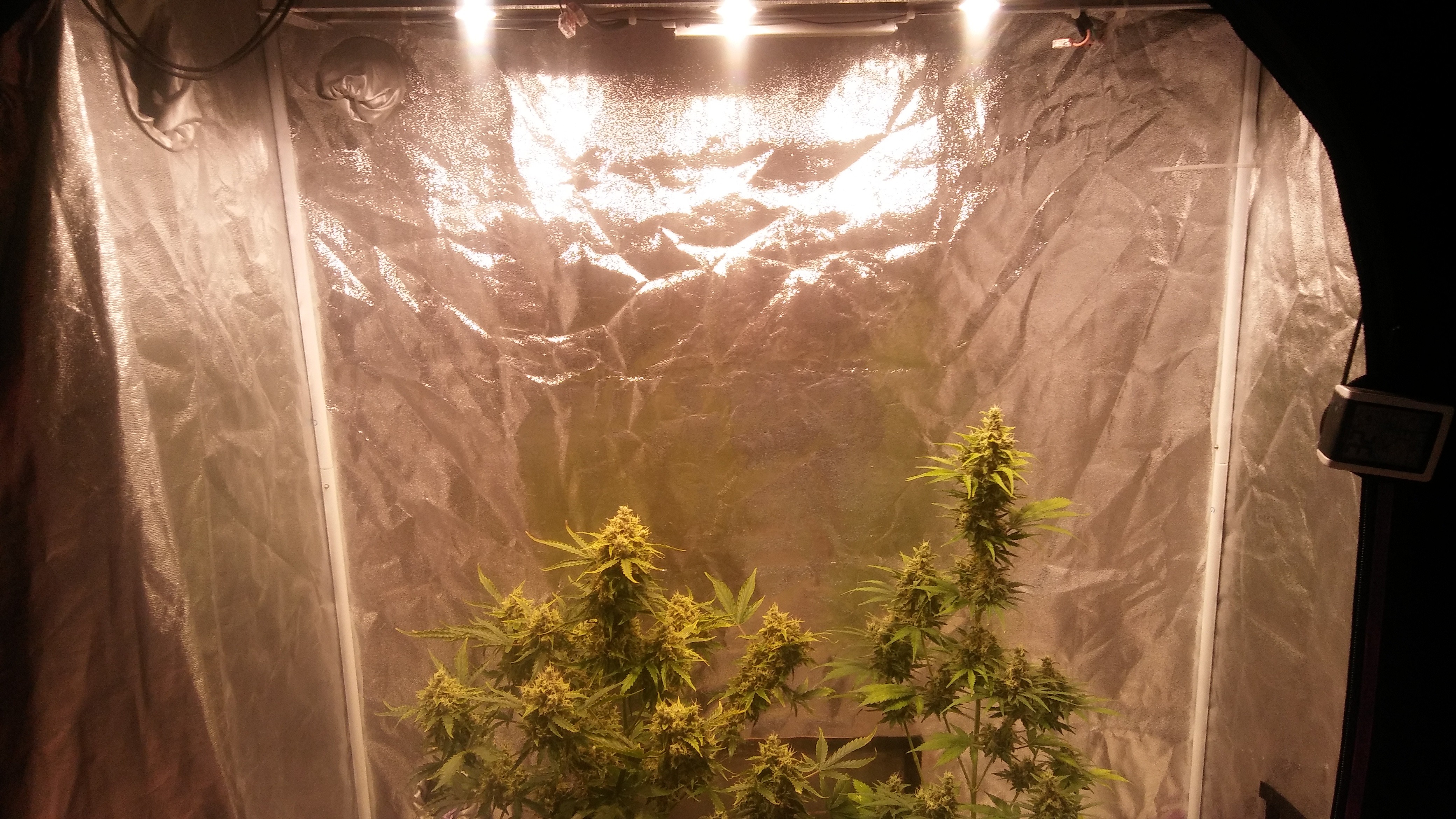 it's in a 2x4x5 tent. I got the parts from rapid and built my own frame. I did a few months of research check grow maus, greengenes, led gardener has a lot of info on leds. Chip on board leds and quantum boards. You can email these sites rapid led, hlg lighting, chilled led, they will answer questions.
now back to what I slapped together. Got 3 Vero29s 3000k 90cri lots of red spectrum. Driven 2100mah dimmable. Later I picked up a hlg65 board 4000k for veg. Now I try to stagger my plants.
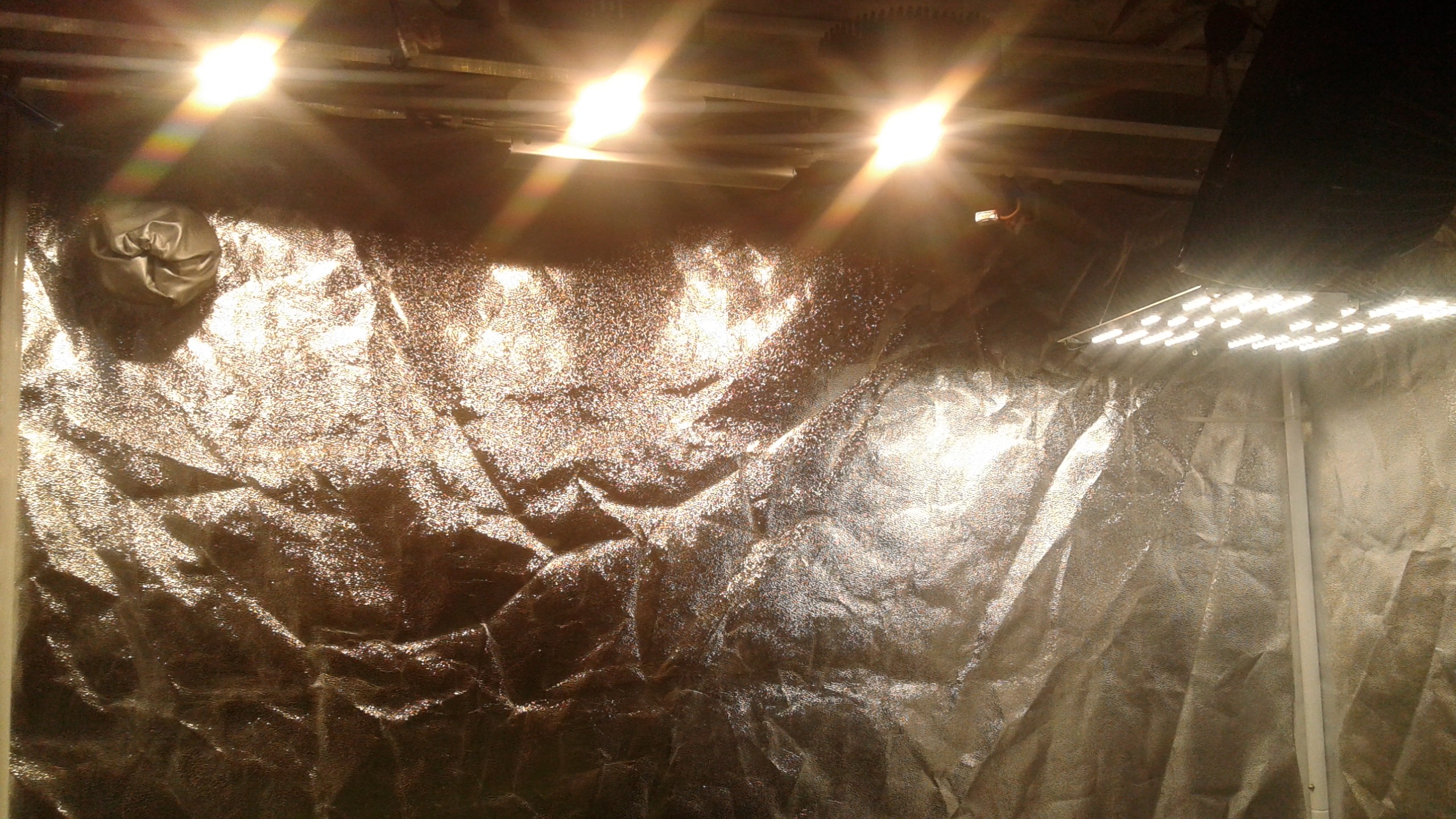 the cobs have a fan aimed on em.
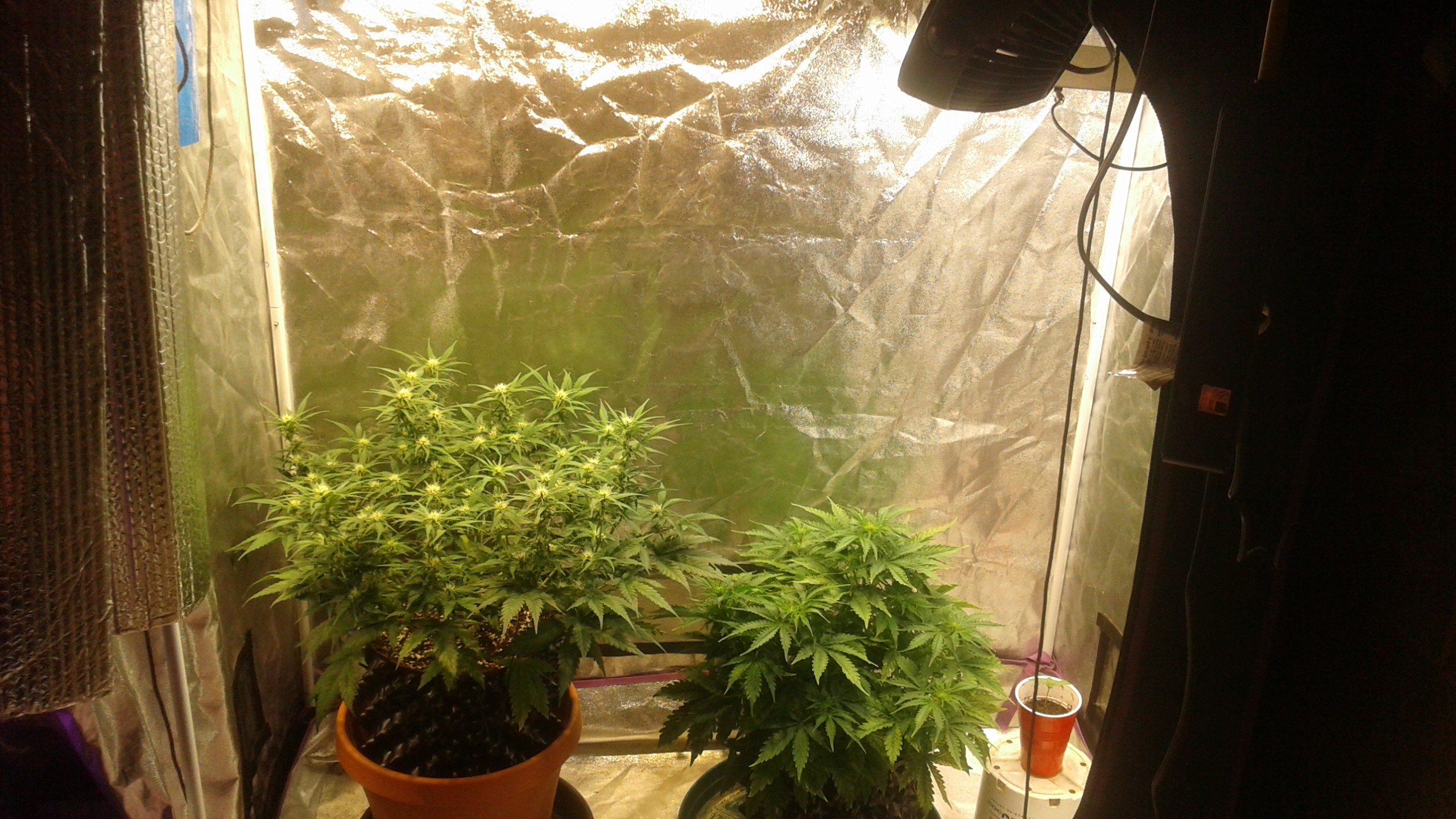 now for the beauty. The a.c vents are in the first floor ceiling, this is in the basement
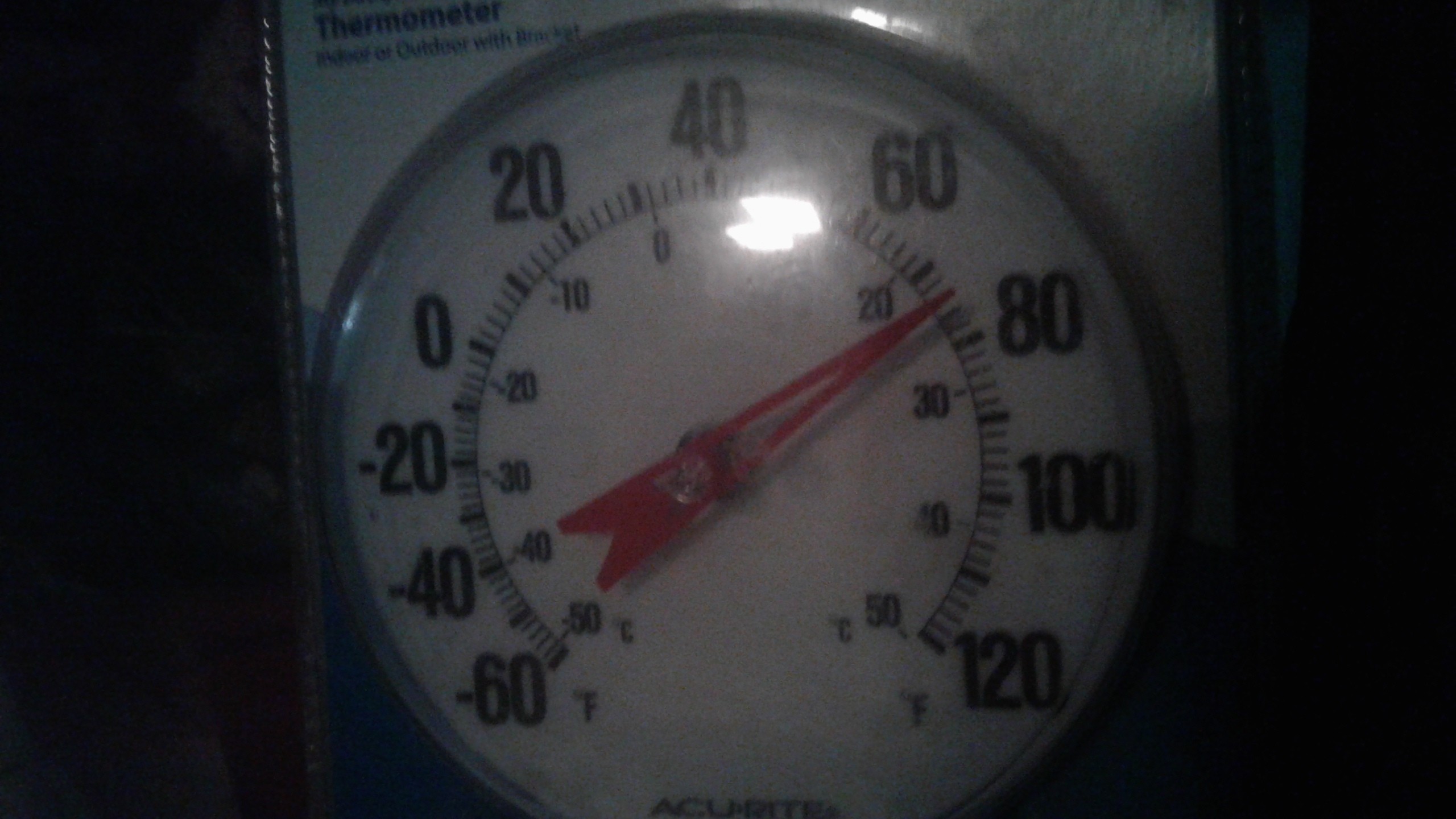 and the room with tents
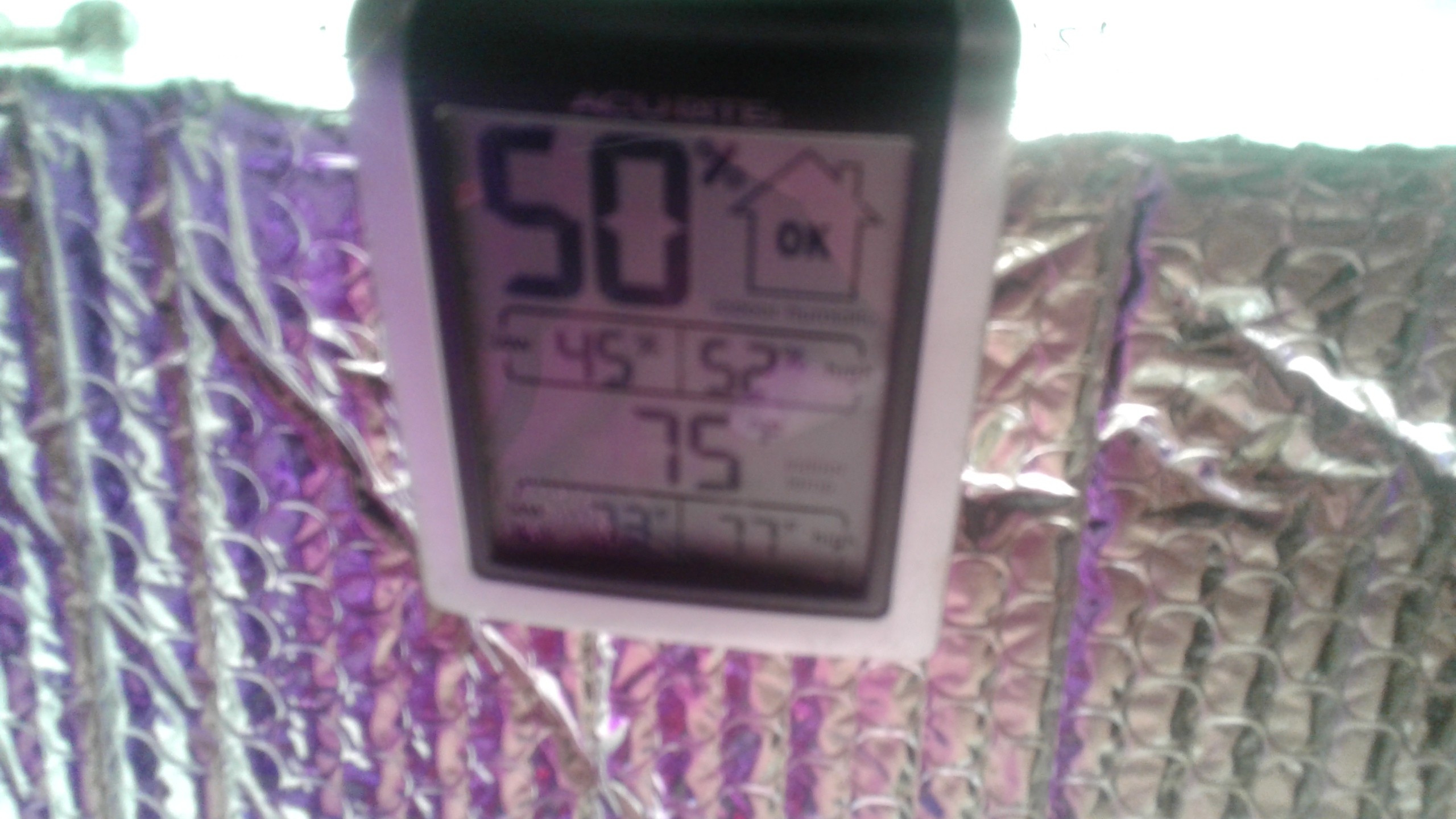 fan in the doorway of the room helps.
now back to what I slapped together. Got 3 Vero29s 3000k 90cri lots of red spectrum. Driven 2100mah dimmable. Later I picked up a hlg65 board 4000k for veg. Now I try to stagger my plants.


DrPhoton
New member
Iam not sure of the specifics the only way to check for light saturation would be to have a Par meter since getting the ppf/ppfd would require way more equipment. Then you look at the footprint in your 10x10 space but one thing to remember just because you can see light in the corners LUMENS. Which is the measurement we see light in which is brightness. Which has been found to really have no correlation between plants. Just cuz you see light at the edges does not mean the density of that light is good. center under light may be 1400ppf but in a 4x4 box just for example 2ft from center may be 100ppf which is way under what a plant requires to grow but to the human eye the light looks at bright in the corner as it does in the middle. and 1000w per 5x5 box is right i would say so 2000w is more than adequate + if you add in reflecting walls you can increase PPF/PPFD by up to 20%. But HID lights will not be more efficent than LEDS because with an led u are getting between 1.5 umol - 2.5umol per watt of power and HIDS i believe fall around 1.6 or 1.7umol per watt. Also with the LED you can control the Spectrum of light to give the plant only the light it uses but with the HIDS you cannot control the spectrum and its giving off spectrum's the plants don't use and is missing other spectrum s like IR or UV.
Sorry for long post was trying to give you an informed answer!
Long post, il show you long post ^.^
LED is not automatically more efficient than gas discharge. At this stage, gas discharge is still more cost effective due to the high initial cost of LED fixtures with similar efficiency. There are only a handful of LED fixtures that actually have efficiency levels better than sodium discharge. Fluence is the only fixture to have measured higher than 2umol per watt. With flux levels comparable to HID. Although many fixtures provide efficiency values, these are theoreticle mathematic calculations based on single diode outputs. But not real world measurements. So they typically do not take into consideration the loss of energy and efficiency from heat and optical losses.
With respect to light quality, it has been shown that although light spectrum has an effect on plant morphology. Light quantity is the leading factor for plant growth and leaf anatomy. This has been shown through many studies and is the same through many species of plants. Plants use all wavelengths of light between 400nm-700nm and the photosynthetic efficiency accross all wavelengths is practically the same. The difference in plant growth and anatomy from different light treatments, is not due to differences in photosynthetic efficiency. But due to radiation capture. The changes in leaf anatomy that promote the increase in radiation capture, usually from petiole length and leaf expansion. Is what mostly effects plant growth and anatomy.
I write a little bit more here about the complexity of light design for horticulture.
There are also other variables which can indirectly affect the potential for growth. For example as you know from my articles, light quantity is more important than light quality in multispectrum light. However monochromatic light has poor efficacy to plants. Even at the same flux levels compared to multispectrum light. This has nothing to do with photosynthetic efficiency and this is key to interpretation of light quality and plants. Plants photosynthetic response to different wavelengths of light is practicaly the same and the differences are insignificant. However plants do thrive better with multispectrum light sources. This has to do with radiation capture. Multispectrum light facilitates healthy morphology that increases radiation capture by factors such as stem and petiole elongation and leaf area index. The photosynthetic efficiency is unchanged, however the plants ability to capture light because of favoured mophology is improved. This is basically a result from blue light and the shade avoidance response.
Let me really confuse the heck out of you. Ignore the following if you wish, im just rambling now. Theres actually much further complexities in the process of understanding what makes an efficient light source. It becomes easier to understand when you get to learn the biochemical reactions of photosynthesis in plants and light physics. So lets break it down.
Electrical efficiency: Describes how much output energy is produced from input energy. Excess energy not produced for the wanted effect is a byproduct of inefficient conversion.
Photon efficiency: How efficiently a photon of light is emitted per unit of energy (usually joules or watts)
Energy efficiency: How efficiently energy is used to provide work or purpose.
Lets talk about LED for a second. Blue diodes are more electrically efficient than Red diodes. But Red diodes have a higher energy efficiency so it can be better to use more Red than Blue. You might be wondering how the heck does that work ?. Well as you might know, as the wavelength of light gets shorter, energy density gets higher. This is why ionizing radiation is bad, because it contains enough energy to knock an electron off an atom.
Because shorter wavelengths contain higher density of energy, it goes without saying that more energy is required to generate photons of shorter wavelength. Even though a light source could have equal electrical efficiency at all wavelengths.
Shorter wavelengths will produce fewer photons than longer wavelengths because they require more energy. For example with a LED light source, which for this example is 100% electrically efficient, a source producing light at 350nm at 100 watts produces 380umol of light. But a source at 650nm produces 550umol. Even though they are both 100% electrically efficient, they produce differing amounts of photons. This is because as previously said, shorter wavelengths require more energy to produce an equivalent photon of longer wavelengths
So you would be correct to assume, well why is blue still not better?, it has a higher energy density. The reason is from something called the stokes shift. So a 450nm photon of light contains about 2.7ev of energy compared to a 650nm photon of light of around 1.9ev. Plants can only absorb energy at a specific density. If you look at photosystems they have a special pair of chlorophyll at the center, where all light energy is concentrated to. P680 and p700. Which average to about 1.78ev of energy it can absorb. So when a Red photon of light at 650nm reaches this center, it looses 0.12ev of energy as heat through photochemical quenching. But when a blue photon at 450nm reaches the center it looses 0.92ev of energy. And as we have worked out, plants do not utilize this excess energy and goes to waste.
So although blue at 450nm can have identicle electrical efficiency, red at 650nm can be more energy efficient as it can produce more photons for the same amount of energy. So red at 650nm has a higher photon efficiency than blue at 450nm. Electrical effciency, Photon efficiency and energy efficiency.
Now you may remember in my articles that light quantitiy is more important than light quality. This is still the case when referring to light efficacy for plants. Again more complexities in the interpretation of the meanings of light efficacy. Light quality with respect to photosynthetic efficiency has been shown to have very little difference in plant growth. Indicating that the differences of the photosynthetic efficiency with different wavelengths of light is insignificant and more focus should be placed on light quantity rather than light quality. However. Plant morphology to light, changes the radiation capture efficiency, which earlier studies neglected when assesing plant photosynthetic efficiency. Plant morphology that increases radiation caputure by increasing aspects such as leaf area index, has increased photosynthetic capacity with the same photosynthetic efficiency. However the extent of this is again, insignificant with typical light sources.

Redwasp
New member
I love this. "Just the facts Ma'am" for those old fucks like me who get the reference. I love all scientific proof. Post as long as you can. Ill read it. Have books and books on such subjects. Modern farming is all about feelings, feel for the earth, watching whats going on, BUT I ALWAYS WANT TO KNOW WHY.