Found Solution
Well it’s been a long trip but I finally beat the gnat problem in my small tent in the house.
Large Tent
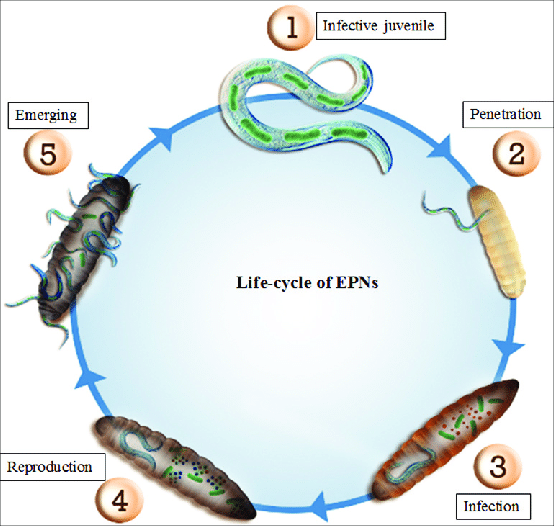
Before I got my small tent, the gnats started in an African Violet in the big tent with a basil and my 4 cannabis. Once I moved the AV, basil and 1 of the cannabis (mother) to the small tent, they were quickly eradicated from the large tent. I think between the living soil (contains neem meal), and the neem oil I sprayed on them did the most damage to the adults. Then a dose of nematodes did in the next gen larva. The sticky cards have been the same ones since the nematodes treatment and no new adults are on them.
Small Tent
The small tent was a different story. They definitely preferred the AV but were moving to the mother and basil, until I bombarded them with nematodes and diatomaceous earth “DEâ€. I had to double up on nematodes two weeks apart, then a week after that laid down a layer of DE, worked that into the top inch of soil and put a second layer on top. That duster DE comes with is a dust nightmare! Just use a tablespoon to sprinkle it around and spread it out evenly with your fingers.
I have not seen a single gnat in 5 days and I was seeing them everyday for weeks. My cards were full of them.
Solution
So in the future I will hit the adults with neem oil spray and follow up with nematodes two weeks apart with a layer of DE. I check and DE does not harm nematodes. This is about as natural as it gets, no concentrated chemicals.
—————————————————
Life Cycle of a Fungus Gnat
Adults live about one week and lay up to 300 eggs in rich, moist soils. Within 4-6 days tiny larvae emerge and begin feeding on plant roots during their two week period. The pupal stage lasts 3-4 days before young adults leave the soil and begin the next generation. The entire life cycle from egg to adult may be completed in as little as 3-4 weeks depending on temperature. Because of their proclivity and relative short gestation, potted plants can host each stage — egg, larvae, pupae, adult — in multiple generations at once. Because of this remedies usually require repeated applications until there are no surviving eggs.