
GrowWeedEasy.com
You are using an out of date browser. It may not display this or other websites correctly.
You should upgrade or use an alternative browser.
You should upgrade or use an alternative browser.
Some questions about - Rick Simpson Oil (RSO)
- Thread starter Crow
- Start date

Crow
New member
No arguments from me that this unit is not something that you would buy to make a few little batches each year. The safety features, the reclaim and the fact that you could process 1 lb of dry product at a time could be compelling if you found yourself with pounds of product to reduce. Won't be me anytime soon - if EVER. Still - good to know it's out there.

D.A.A.S.69
New member
Crow
New member
This is from the Phoenix Tears web site - the FAQ about RSO, page - regarding the solvents Rick recommends:
WHAT KIND OF SOLVENTS SHOULD I USE?
There are also many other solvents which could probably be used to perform an extraction effectively such as acetone, but the only solvents that I have direct experience with are ether, naphtha and 99% isopropyl alcohol, therefore I do not feel qualified to tell the public what other solvents they can use.
The process I am about to describe, involves washing the starting material twice with a good solvent such aspure light aliphatic naphtha or 99% isopropyl alcohol etc. To effectively remove the available resin, which contains the medicinal cannabinoids from the plant material.
Light naphtha has proven itself to be a very effective solvent to produce this oil and it is also quite cheap to purchase when compared to the cost of other solvents. This solvent is called light naphtha in Canada, and in Europe it is often called benzin(e) and it is sold as cleaning fluid or solvent in many hardware stores.
In addition, naphtha is usually quite easy to locate in many countries, while other pure solvents that are well suited to preform extractions, can be very expensive and hard to find. Naphtha comes in different forms and under many different names and the temperatures at which they boil can vary a great deal, which is something that must be taken into consideration if one is to obtain the proper solvent. The naphtha which I preferred to use had a boiling point around 70 degrees C, which is about the same amount of heat required to bring 99% isopropyl alcohol to its boiling point.
HE THEN GOES ON TO EXPLAIN
Any solvent that you intend to use should be colourless, the same as water and if you dip your finger into it, within about 40 seconds it should completely evaporate from your finger leaving no oily residue behind.
Naphtha is sold under many names but if you go to a fuel supplier, you should not have too much trouble tracking some down, if you tell the supplier that you are looking for a solvent which has a boiling point around 70 degrees C. Light naphtha has many industrial uses, and it is often used to degrease engine parts or thin paints etc., so I’m sure you should not have too much trouble finding what you need. Just to give you an idea of its many uses, naphtha is the same substance used to fuel Coleman lamps and stoves. Unfortunately, rust inhibitors are added to Coleman fuel, so I do not recommend that this fuel be used to produce oil. But as I understand it, some companies actually do supply camping fuel with no additives, so this should work very well as a solvent to perform an oil extraction.
There is also medical-grade naphtha (hexane) available in many countries in the world, but it is a bit more expensive and usually harder to get and I have not found any significant difference, between pure light naphtha and the medical grade version of this solvent.
Butane can also produce oil, but I do not recommend its use as a solvent to produce this medication, since it is very volatile and would require the use of expensive equipment to neutralise the danger.
In addition, using butane to perform an extraction does not decarboxylate the finished oil, because there is little or no heat used in this process. So oils produced in this manner would be less effective for medicinal use, unless the extra time is taken to decarboxylate the oil properly.
And THEN ON THE TOPIC OF EVERCLEAR - (This certainly answers my opening question)
WHAT IS YOUR OPINION ON THE USE OF LESS EFFECTIVE SOLVENTS, SUCH AS EVERCLEAR?
Many people in the US and some other countries as well, are finding it quite hard to locate the pure solvents, which I recommend and some have turned to the use of substances such as everclear, which in its purest form is about 95% alcohol, but usually you will find that the remaining 5% is water.
This makes everclear a less effective solvent due to its water content and at the end of the oil making process there will be quite a bit of water, which will have to be evaporated off before the oil is in a finished state. So if need be substances such as everclear can be used, but I much prefer to use the pure solvents that I have described. Many people have contacted me to ask if they could use such things as 151 proof alcohol as a solvent. But in my opinion trash such as this is not even fit for human consumption and I would never even think about using such a substance to produce the oil. (Crow comments - not that Naptha is ever fit for human consumption either. The point is, that there are much better solvents than EC but EC is better than just any old high proof alcohol.)
Thank you very much to starramus for the excellent link!!!!
Stay safe and healthy.
Crow
WHAT KIND OF SOLVENTS SHOULD I USE?
There are also many other solvents which could probably be used to perform an extraction effectively such as acetone, but the only solvents that I have direct experience with are ether, naphtha and 99% isopropyl alcohol, therefore I do not feel qualified to tell the public what other solvents they can use.
The process I am about to describe, involves washing the starting material twice with a good solvent such aspure light aliphatic naphtha or 99% isopropyl alcohol etc. To effectively remove the available resin, which contains the medicinal cannabinoids from the plant material.
Light naphtha has proven itself to be a very effective solvent to produce this oil and it is also quite cheap to purchase when compared to the cost of other solvents. This solvent is called light naphtha in Canada, and in Europe it is often called benzin(e) and it is sold as cleaning fluid or solvent in many hardware stores.
In addition, naphtha is usually quite easy to locate in many countries, while other pure solvents that are well suited to preform extractions, can be very expensive and hard to find. Naphtha comes in different forms and under many different names and the temperatures at which they boil can vary a great deal, which is something that must be taken into consideration if one is to obtain the proper solvent. The naphtha which I preferred to use had a boiling point around 70 degrees C, which is about the same amount of heat required to bring 99% isopropyl alcohol to its boiling point.
HE THEN GOES ON TO EXPLAIN
Any solvent that you intend to use should be colourless, the same as water and if you dip your finger into it, within about 40 seconds it should completely evaporate from your finger leaving no oily residue behind.
Naphtha is sold under many names but if you go to a fuel supplier, you should not have too much trouble tracking some down, if you tell the supplier that you are looking for a solvent which has a boiling point around 70 degrees C. Light naphtha has many industrial uses, and it is often used to degrease engine parts or thin paints etc., so I’m sure you should not have too much trouble finding what you need. Just to give you an idea of its many uses, naphtha is the same substance used to fuel Coleman lamps and stoves. Unfortunately, rust inhibitors are added to Coleman fuel, so I do not recommend that this fuel be used to produce oil. But as I understand it, some companies actually do supply camping fuel with no additives, so this should work very well as a solvent to perform an oil extraction.
There is also medical-grade naphtha (hexane) available in many countries in the world, but it is a bit more expensive and usually harder to get and I have not found any significant difference, between pure light naphtha and the medical grade version of this solvent.
Butane can also produce oil, but I do not recommend its use as a solvent to produce this medication, since it is very volatile and would require the use of expensive equipment to neutralise the danger.
In addition, using butane to perform an extraction does not decarboxylate the finished oil, because there is little or no heat used in this process. So oils produced in this manner would be less effective for medicinal use, unless the extra time is taken to decarboxylate the oil properly.
And THEN ON THE TOPIC OF EVERCLEAR - (This certainly answers my opening question)
WHAT IS YOUR OPINION ON THE USE OF LESS EFFECTIVE SOLVENTS, SUCH AS EVERCLEAR?
Many people in the US and some other countries as well, are finding it quite hard to locate the pure solvents, which I recommend and some have turned to the use of substances such as everclear, which in its purest form is about 95% alcohol, but usually you will find that the remaining 5% is water.
This makes everclear a less effective solvent due to its water content and at the end of the oil making process there will be quite a bit of water, which will have to be evaporated off before the oil is in a finished state. So if need be substances such as everclear can be used, but I much prefer to use the pure solvents that I have described. Many people have contacted me to ask if they could use such things as 151 proof alcohol as a solvent. But in my opinion trash such as this is not even fit for human consumption and I would never even think about using such a substance to produce the oil. (Crow comments - not that Naptha is ever fit for human consumption either.
The point is, that there are much better solvents than EC but EC is better than just any old high proof alcohol.)Thank you very much to starramus for the excellent link!!!!
Stay safe and healthy.
Crow
Last edited:
Crow
New member
As for the cooking, Rick recommends using a RICE COOKER. I'd be interested to hear from you all what your experience has been using RCs for making RSO.
Which brand/ model have you had good results using? I will likely upgrade to the SOURCE unit after proving to myself that the RSO is a quality health aid but in the
first go round I will go for more inexpensive process, with all the proper precautions. Using a contemporary rice cooker might create some issues. Any comments?
Thanks.
Crow
Which brand/ model have you had good results using? I will likely upgrade to the SOURCE unit after proving to myself that the RSO is a quality health aid but in the
first go round I will go for more inexpensive process, with all the proper precautions. Using a contemporary rice cooker might create some issues. Any comments?
Thanks.
Crow
I just did an extraction with 190 everclear, I used trash as in the stems from buds, and a few water leaf. I read many methouds first and did this one;
1) Decarb @ 375*F for 45 minutes in a glass jar, lid on snug not tight, dont want it to explode.
2) Grind it, put that in a glass jar, poor in everclear, seal and shake well.
3) Put it in the freezer for 5 days, taking out daily to shake well
4) Filter into another container, I did take a shot at this point, slept well but, yuk!
5) Let evaporate at room temp, yes it took days
It was very dark by day 3, was most likely ready then
The taste is horrible, but it does work, I dont think I will do this again, I will most likely try the dry ice method next.
Not like the old school method that goes boom if you get it to hot,,,
1) Decarb @ 375*F for 45 minutes in a glass jar, lid on snug not tight, dont want it to explode.
2) Grind it, put that in a glass jar, poor in everclear, seal and shake well.
3) Put it in the freezer for 5 days, taking out daily to shake well
4) Filter into another container, I did take a shot at this point, slept well but, yuk!
5) Let evaporate at room temp, yes it took days
It was very dark by day 3, was most likely ready then
The taste is horrible, but it does work, I dont think I will do this again, I will most likely try the dry ice method next.
Not like the old school method that goes boom if you get it to hot,,,

alltatup
New member
I actually made some RSO from tincture last winter: I put cannabis tincture made with decarbed bud in a large shallow baking pan, covered it with cheescloth to keep out dust and other contaminants, put it in a small bathroom with the window open and a fan blowing over the cheesecloth towards the window. It was cold enough and dark enough in the bathroom and within 3 days, the alcohol had evaporated and left a very nice oil.


quirk
New member
Rwise- You had a trash in trash out deficiency. Think quality in quality out and modify your technique a bit.
Use flower-sugar leaves.
1. Decarb at 230F -30min on aluminum foil lined baking sheet.
2. Do not grind. Double bag material in rosin extraction bags. I use Maxloom
3. Place in freezer 24 hr. Also, separately, freeze 8 oz. Everclear in pint Mason Jar.
4. Combine after 24hrs. and shake vigorously 2 min. Repeat 3-4 times over next 12 hr.
5. Remove from freezer, suspend bag over mouth of jar and let drip dry in dark, cool cupboard.
6. Evaporate off to 4-ozs. I use the Source. Store in freezer along with medicine bottle.
Use flower-sugar leaves.
1. Decarb at 230F -30min on aluminum foil lined baking sheet.
2. Do not grind. Double bag material in rosin extraction bags. I use Maxloom
3. Place in freezer 24 hr. Also, separately, freeze 8 oz. Everclear in pint Mason Jar.
4. Combine after 24hrs. and shake vigorously 2 min. Repeat 3-4 times over next 12 hr.
5. Remove from freezer, suspend bag over mouth of jar and let drip dry in dark, cool cupboard.
6. Evaporate off to 4-ozs. I use the Source. Store in freezer along with medicine bottle.
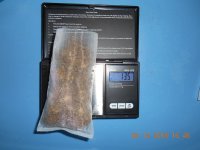
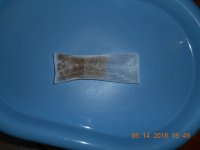
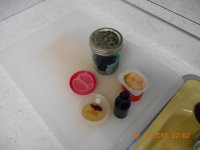
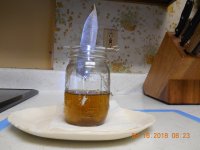
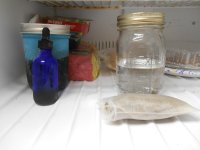
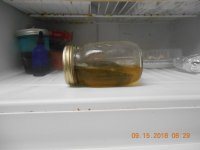
what I use is what rick used for salvent , I use a best value vac 1lb extractor with puretane gets what you need out of the plant and more, if your not doing it this way your doing it the wrong way I have ben doing this a long side with rick for 12 years and ben doing it for 25 years so I know what im doing . you can do what you want but this is the WAY