There's two big types of stress that often get lumped together,
light stress and
heat stress.
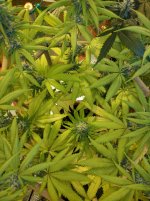
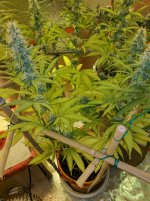
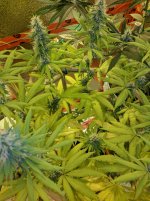
Outdoors, plants don't really get light stress because the sun is the same distance away all the time. Cannabis plants are adapted to deal with the light levels produced by the sun on a clear day, and thrive under lots of light. However, if you have really powerful lights when growing indoors, and keep them really close, they'll actually be delivering more light to your plants than the sun ever could. When that happens your plant leaves can't "work" hard enough to process all that light. As time goes on the leaves starts shriveling and looking burnt/deficient from overwork. That's light stress, even though it often looks similar to the symptoms from heat stress.
When it comes to heat, it depends a lot on the strain and the setup. Some strains are great at dealing with heat, for example Sativa and Haze strains tend to be very heat-resistant. Other strains, like Indica-based strains, often start struggling at much lower temperatures.
However, many indoor growers have their plants in 95°F or even higher and their plants survive. But just like outdoors, plants grow better at 80-85°F than at higher temperatures. Even outdoors, a plant won't grow as good as it could if it's getting 105°F weather every day.
If you have a plant that's suffering from light stress, it will be a lot more sensitive to heat stress and vice versa. This makes it easier to stress your plants indoors because if the grow lights are too close it can seem like plants are incredibly sensitive to heat when partly it has to do with the amount of light, too.

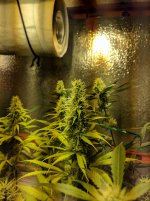
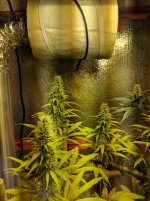
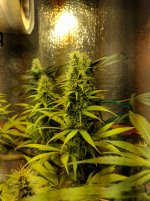

 The buds look very well developed for week 5, and definitely look like they're going to fatten up even more over the next few weeks!